Hormonal imbalance symptoms in women over 40 can be sneaky. They don’t always announce themselves with a single dramatic change. Instead, they tend to creep in gradually: you’re a little more tired than usual, your sleep isn’t quite as restful, your jeans fit differently, and your patience is shorter than it used to be. You chalk it up to stress, or aging, or just a rough few months.
But what if it’s not just stress? What if your body is trying to tell you something? Most of the women I see at our Decatur and Madison offices have been dealing with these symptoms for months or even years before they realize hormones might be the cause. You don’t have to keep guessing, and you definitely don’t have to keep powering through it.
What’s Actually Happening to Your Hormones After 40
Starting in your late 30s and accelerating through your 40s, your body begins a gradual shift in hormone production. Estrogen, progesterone, and yes, testosterone (women need it too) all start to fluctuate and decline. This transition doesn’t happen overnight, and it doesn’t follow a neat, predictable schedule. That’s part of what makes it so frustrating.
This phase is called perimenopause, and it can last anywhere from a few years to over a decade before you reach menopause. During this time, your hormone levels don’t just drop steadily. They spike and dip unpredictably, which is why symptoms can come and go and why you might feel fine one week and terrible the next. The good news is that you don’t have to just ride it out. There are real solutions, and hormone therapy for women is something we help women with every day at both of our locations.
Signs of Hormonal Imbalance Women in Decatur and Madison, AL Should Know
Here’s where it gets tricky: many of these symptoms overlap with other conditions, which is why so many women go undiagnosed or get treated for the wrong thing. But when you see several of these showing up together, hormones deserve a closer look.
Fatigue That Sleep Doesn’t Fix
This isn’t just being tired. It’s waking up after a full night’s sleep and still feeling like you haven’t recharged. Declining estrogen and progesterone both affect sleep quality and energy production at the cellular level. Many women describe it as running on a battery that never fully charges.
Brain Fog and Memory Lapses
Walking into a room and forgetting why. Losing your train of thought mid-sentence. Struggling to find words you’ve used your whole life. This is one of the most alarming symptoms women report, and many fear it’s early dementia. In most cases, it’s hormonal. Estrogen plays a significant role in cognitive function, and when levels fluctuate, your brain feels it.
Unexplained Weight Gain (Especially Around the Middle)
You’re eating the same way you always have, maybe even less, and the scale keeps climbing. Or the weight has shifted to your belly in a way it never did before. Hormonal changes directly affect how your body stores fat, and declining estrogen tends to redirect fat storage to the midsection. This is also why conventional dieting often stops working in your 40s. If weight has been a struggle, our medical weight loss program can address both the hormonal and metabolic sides of the equation. For many women, combining hormone optimization with a GLP-1 medication like semaglutide produces the best results.
Mood Swings, Anxiety, or Irritability
Feeling like a different person emotionally. Shorter temper. Anxiety that seems to come out of nowhere. Crying over things that wouldn’t normally bother you. Estrogen and progesterone both influence serotonin and other neurotransmitters that regulate mood. When those hormones are unstable, your emotional baseline shifts.
Low Libido
This is one of the most common things I hear from my patients, and nearly every woman I see brings it up. You are not alone in this, even though it can feel that way. Testosterone is the primary driver of sexual desire in women, and it declines with age just like it does in men. When combined with vaginal dryness from low estrogen, intimacy can go from enjoyable to something you actively avoid. The important thing to know is that this is a medical issue with real solutions, not something you just have to accept.
Hot Flashes, Night Sweats, and Sleep Problems
That sudden wave of heat that starts in your chest and rises to your face, sometimes followed by chills and a layer of sweat. Hot flashes can hit during a meeting, in the middle of dinner, or at 3 a.m. when they drench your sheets and jolt you awake. They happen because declining estrogen disrupts your body’s internal thermostat. Some women get them occasionally; others deal with them dozens of times a day. And even when the hot flashes aren’t waking you up, declining progesterone can make it harder to fall asleep and stay asleep on its own. The result is a level of exhaustion that no amount of caffeine fixes. None of this is something you just have to live with.
Hair Thinning and Skin Changes
Noticing more hair in your brush or drain. Skin that’s drier or less elastic than it used to be. These are outward signs of the hormonal shifts happening internally. Changes in estrogen and testosterone can all contribute.
Why Guessing Doesn’t Work
Here’s what I see too often: women who have been told by other providers that what they’re feeling is “just part of getting older,” or that they should try to manage it with diet, exercise, or stress reduction. They’ve tried supplements, changed what they eat, forced themselves to work out more, read every article, and they’re still struggling. That’s not a failure of effort. It’s what happens when the actual problem, your hormones, never gets identified or addressed.
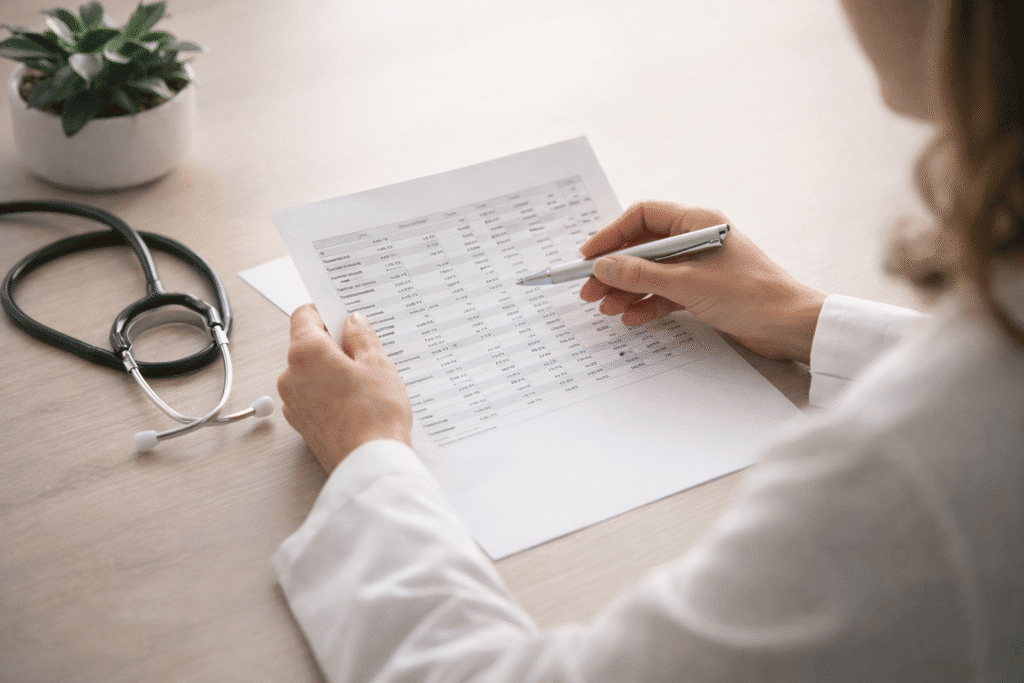
The only way to know what’s actually going on with your hormones is to test them. And I don’t mean a basic panel that checks one or two markers. I mean a comprehensive look at estrogen, progesterone, and testosterone. When we run the full picture, patterns emerge that point directly to what’s driving your symptoms.
That said, we take this on a case-by-case basis. During your consultation, we’ll talk through your symptoms and history together and determine whether a full workup is the right first step or whether we have enough information to start treatment. The goal is always to do what makes the most sense for you.
What Can You Do About It?
The good news is that hormonal imbalance is treatable. Once we understand what’s going on, there are real options. Bioidentical hormone therapy is one of the most effective approaches, using FDA-approved hormones that are molecularly identical to what your body produces naturally. We typically start there so we can see how you respond, find your optimal levels, and make adjustments along the way. Once we know what works for you, some women choose to transition to pellet therapy, which provides steady, consistent hormone levels for months at a time without the daily hassle of pills or creams. And if you’re already on pellets and looking for a new provider who really follows your numbers, we can take over your care too.
Treatment is personalized. What works for one woman may not be the right fit for another. That’s why we take the time to understand your full picture, your symptoms, your labs, your goals, and your concerns, before recommending anything.
Want to Find Out What’s Going On?
If you’ve been reading this and nodding along, that’s a sign it’s worth having a conversation. You can schedule a consultation at our Decatur or Madison, Alabama office. You’ll sit down with me or one of our experienced nurse practitioners, and we’ll take the time to actually listen to what you’re experiencing. No rushing, no dismissing your symptoms as “just part of getting older.”
I know cost is always a consideration. We’re transparent about what our programs cost, and you can find all of that on our pricing page. No surprises.
Call us at 256-286-1888 or book online to get started.
Frequently Asked Questions About Hormonal Imbalance
At what age do hormonal imbalances start?
Hormonal shifts can begin as early as the mid-30s, though most women start noticing symptoms in their early to mid-40s. Every woman’s timeline is different, which is why testing is more useful than guessing based on age alone.
Can hormonal imbalance cause weight gain?
Absolutely. Declining estrogen, progesterone, and testosterone all affect metabolism, fat storage, and appetite. Many women find that the weight gain they’ve been fighting is directly tied to hormonal changes that diet and exercise alone can’t overcome.
Is hormone therapy safe?
This is one of the most common questions I get, and the short answer is that the research has evolved significantly. Bioidentical hormone therapy, when prescribed and monitored by a physician, has a strong safety profile, especially when started during perimenopause or early menopause. We’ll discuss your individual risk factors at your consultation.
I’m already on pellets but not happy with my provider. Can you help?
Absolutely. We work with women who are already on pellet therapy and want a provider who closely monitors their levels and adjusts their treatment based on real data. We’ll review your history, run labs, and make sure your dosing is optimized for how you actually feel, not just what looks acceptable on paper.
How do I know if my symptoms are hormonal or something else?
That’s exactly what we’re here to help you figure out. Many symptoms of hormonal imbalance overlap with other conditions like nutrient deficiencies, sleep disorders, and more. Comprehensive testing helps us rule things out and identify the real cause.