Bioidentical hormone pellets are something patients in Alabama ask me about constantly, and I understand why. The idea is appealing: a tiny pellet placed under the skin that releases steady hormones for months. No daily routine, no patches to change, no cream to apply. And the truth is, pellets can be an excellent option. But I want to be honest with you about how we approach them at PrecisionMD, because it’s different from what you might see elsewhere.
A patient came in recently after seeing another provider who started her on pellets at her very first visit. Within two weeks, her heart was racing, she couldn’t sleep, and she felt like she was crawling out of her skin. Her levels were sky-high.
That’s not a pellet problem. That’s a dosing problem, and it’s a provider problem. Once a pellet is in, you can’t take it out. If the dose is wrong, you ride it out for months. That’s why we don’t start most patients on pellets. We start conservatively, make sure your body tolerates hormone replacement therapy well, get your levels dialed in, and then, once we know exactly what your body needs, pellets become a fantastic option for long-term convenience and consistency.
What Are Bioidentical Hormones?
Bioidentical hormones are molecularly identical to the hormones your body produces naturally. They’re derived from plant sources, typically yams or soy, and compounded to match the exact chemical structure of human estradiol, testosterone, or progesterone. Your body recognizes them as its own because, structurally, they are.
This is different from synthetic hormones, which have a similar but not identical molecular structure. Synthetic hormones can activate the same receptors, but they don’t behave the same way in your body. The distinction matters clinically. The North American Menopause Society recognizes bioidentical hormones as a legitimate treatment option, and many physicians, myself included, prefer them because of how closely they mirror what your body already knows how to use.
How We Start Hormone Replacement Therapy in Decatur, AL
At our Decatur and Madison offices, most new hormone therapy patients start on FDA-approved estradiol patches, oral progesterone (Prometrium), and testosterone gel. There’s a reason for that. These methods are adjustable. If your dose is too high or too low, we change it. If you’re having side effects, we modify things quickly. That flexibility matters when we’re figuring out what your body needs.
Once we know you tolerate hormones well, once your labs look good and you’re feeling the benefits, that’s when we have the pellet conversation. At that point, we already know your ideal hormone levels. We know what your body responds to. Pellets become a natural next step for patients who want the convenience of not thinking about their hormones every day.
Some patients are perfectly happy staying on patches and gel long term, and that’s a great option too. Others want the simplicity pellets offer, and we can move to that confidently because we’ve done the work upfront.
Already on Pellets from Another Provider?
If you’re already established on pellet therapy and doing well, we’re happy to take over your care. We’ll run labs, review your levels, and make sure everything is optimized. You can read more about our approach to women’s hormone therapy and men’s testosterone replacement on our site.
Why Pellets Get a Bad Reputation (and How to Avoid That)
I’ll be direct: bioidentical hormone pellets have developed a mixed reputation, and a lot of it is deserved. Not because pellets are bad therapy, but because they’re frequently done poorly. Some providers insert pellets at the first visit without adequate lab work. Some use cookie-cutter dosing instead of customizing to the individual. Some don’t follow up with labs after insertion. The result is patients walking around with supraphysiologic hormone levels, experiencing side effects like acne, hair loss, mood swings, racing heart, and irritability, and then blaming the pellets when the real problem was the approach.
When pellets are dosed correctly based on thorough lab work, when the provider starts conservatively and adjusts based on your response, and when follow-up monitoring is built into the process, the experience is completely different. Patients feel steady, balanced, and like themselves again. The pellet isn’t the problem. The process around it is what matters.
How Bioidentical Hormone Pellets Work
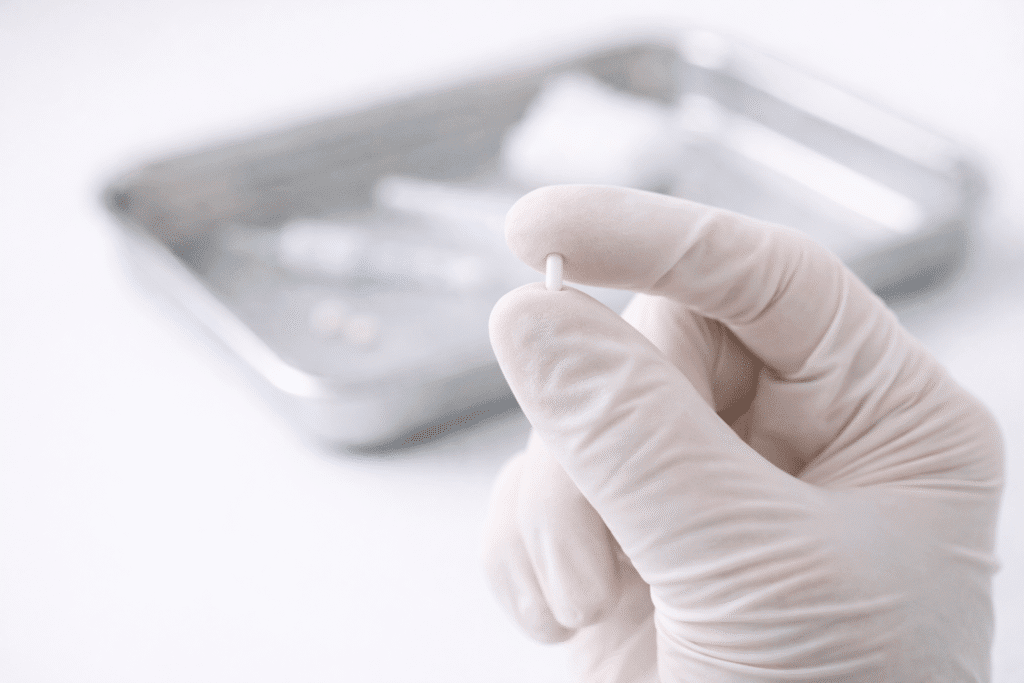
Pellets are tiny, about the size of a grain of rice. They’re custom-compounded based on your lab results and inserted just beneath the skin, usually in the upper buttock or hip area. Once placed, they release a steady, low dose of hormones directly into your bloodstream 24 hours a day. Your body absorbs what it needs based on your activity level and cardiac output, which means the delivery is remarkably physiologic. It mimics the way your body would release hormones naturally if your ovaries or testes were still producing them at optimal levels.
We use pellet therapy for both women and men at PrecisionMD. For women, pellets typically deliver estradiol and/or testosterone. For men, pellets deliver testosterone. The specific hormones and doses are based entirely on your labs and your symptoms.
Hormone Pellets vs. Patches, Creams, and Pills
If you’re researching pellet therapy near me or comparing your options, here’s how the delivery methods stack up.
Creams and gels require daily application. They can be effective, but absorption varies depending on where you apply them, how much you sweat, and whether the product transfers to someone else through skin contact. Levels tend to spike after application and then decline through the day, which is why some patients feel great in the morning and terrible by evening.
Patches deliver a steadier level than creams but can cause skin irritation and need to be changed regularly. Oral hormones pass through the liver first, which can affect how the hormone is metabolized. Injections, particularly for testosterone in men, work well but still create a peak-and-trough pattern between injection days.
Pellets bypass those issues. Steady absorption, no daily routine, no transfer risk, no liver first-pass effect. For patients who’ve already established that they tolerate hormone therapy well, pellets offer a level of convenience and consistency that’s hard to match.
What to Expect During the Pellet Insertion Procedure
The entire procedure takes about 10 minutes. We numb the insertion site with a small amount of local anesthetic. Once the area is numb, I make a tiny incision, smaller than a pencil eraser, and insert the pellets just beneath the skin using a trocar. There are no stitches. We close the site with a small adhesive strip, and you’re done.
Most patients say the numbing injection is the only part they feel, and even that is minimal. We ask you to avoid vigorous lower body exercise for about 48 to 72 hours to let the site heal. After that, you’re back to normal. No downtime, no recovery period, and no visible scar.
How Long Before You Feel Results?
Most patients begin noticing changes within two to four weeks. Energy is usually the first thing that improves. Sleep comes next. Then mood, mental clarity, and libido start to shift. It depends on how depleted your hormone levels were and how your body responds.
The key advantage of pellets is consistency. With creams, you might feel great for a few hours and then crash as the level drops. Pellets eliminate that cycle. Once they’re working, the improvement is steady, not just on good days, but every day.
How Long Do Hormone Pellets Last?
For women, pellets typically last three to four months. For men, they last four to six months. The exact timeline varies by person and depends on factors like activity level, metabolism, and stress. We monitor your levels with follow-up lab work so we know exactly when it’s time for re-insertion. You won’t be guessing. We track it.
Over time, most patients settle into a predictable schedule. They recognize the subtle shift when their pellets are starting to taper, and that’s when they come in for their next round.
Safety, Monitoring, and Why Physician Oversight Matters
Pellet therapy is safe when it’s done right. That means starting with comprehensive lab work, using the right dose for your body, and following up with labs after insertion to make sure your levels are where they should be. The dose that’s right for one patient may be completely wrong for another. That’s why we run labs before every insertion, not just the first one.
At PrecisionMD, every provider on our team has advanced training in bioidentical hormone therapy. That means whether you’re seeing me or one of our nurse practitioners, you’re getting care from someone who understands hormone dosing, lab interpretation, and how to adjust your treatment based on your individual response. You can learn more about our team on our about page. That level of training across the entire practice matters, especially with hormone therapy, where small dosing changes can make a big difference in how you feel.
What Does Bioidentical Hormone Therapy Cost in Madison, AL?
The cost of bioidentical hormone pellet therapy varies depending on the hormones used, the dose, and your specific treatment plan. We believe in full pricing transparency at PrecisionMD. You can view our current pricing on our pricing page. We’ll walk you through everything before you commit to anything.
Ready to Explore Hormone Replacement Therapy in Decatur or Madison, AL?
Whether you’re brand new to hormone therapy or you’re already on pellets and looking for a physician-led practice to manage your care, we’d love to see you. The first step is always lab work and a conversation. You can schedule a consultation at our Decatur or Madison, Alabama office.
Call us at 256-286-1888 or book online to get started.
Frequently Asked Questions About Bioidentical Hormone Pellets
Do hormone pellets hurt?
The insertion itself is virtually painless because we numb the area first. Most patients say the numbing injection is the only thing they feel, comparable to getting blood drawn. Some experience mild soreness at the site for a day or two, similar to a small bruise.
Why don’t you start everyone on pellets right away?
Once a pellet is inserted, it can’t be removed. If the dose is too high, you have to wait months for it to wear off. By starting with adjustable methods like patches and gel, we can fine-tune your levels first. Once we know exactly what your body needs, pellets become a much safer and more predictable option.
Can men get hormone pellets?
Yes. Pellet therapy is an excellent option for men on testosterone replacement. Pellets provide steady testosterone levels without the peaks and valleys that come with injections. Men typically need re-insertion every four to six months. You can learn more on our TRT page.
What if I’m already on pellets from another provider?
We’re happy to take over your care. We’ll run comprehensive labs, review your current levels, and make sure your dosing is appropriate. If everything looks good, we’ll continue your pellet therapy. If we see room for improvement, we’ll discuss adjustments at your next insertion cycle.
How much does hormone pellet therapy cost in Alabama?
The cost varies depending on which hormones are used, the dose, and whether you’re a new or returning patient. We’re fully transparent about pricing. Visit our pricing page for current costs, or call us and we’ll walk you through it before your first appointment.
Will my insurance cover pellet therapy?
Most insurance plans do not cover bioidentical hormone pellet therapy. However, many patients find the cost comparable to what they were spending on creams, patches, or other hormone products when you factor in the convenience and the fact that you’re only coming in every few months.